
Should I Replace my Zinsco Panel?
Yes.
Unlike many older electrical panels that are simply outdated, Zinsco panels have a long history of documented safety concerns that make replacement worth serious consideration.
If you have a Zinsco panel in your home, the question usually isn't whether you'll replace it someday.
It's whether you'll replace it before it becomes a problem.
What Is a Zinsco Panel?
Zinsco electrical panels were commonly installed in homes throughout the 1960s and 1970s.
You'll also occasionally find them branded as Sylvania-Zinsco panels after the company changed ownership.
At first glance, they look like any other electrical panel.
Unfortunately, the problems are hidden inside.
The Biggest Concern: Breakers That Don't Trip
Circuit breakers are designed to shut off power when dangerous conditions occur.
When a circuit becomes overloaded or develops a fault, the breaker's job is simple:
Turn off.
The problem with many Zinsco breakers is that they don't always do that.
Over time, internal components can overheat and deteriorate. In some cases, breakers can become fused directly to the bus bar inside the panel.
When that happens, a breaker may appear normal from the outside while failing to disconnect power when it's needed most.
That's a serious problem.
A breaker that doesn't trip isn't really performing its job.
Aluminum Bus Bar Problems
Another common issue involves the aluminum bus bars used inside many Zinsco panels.
Over time, aluminum naturally oxidizes.
As corrosion develops, electrical connections can loosen and resistance increases.
And when resistance increases, heat follows.
We've seen Zinsco panels with severe overheating, melted components, arcing damage, and extensive corrosion around breaker connections.
This isn't the kind of aging we expect to see in a healthy electrical panel.
Why Electricians Still Talk About Them
Most older panels become topics of conversation because they're out of space.
Zinsco panels become topics of conversation because of safety concerns.
The combination of deteriorating bus bars, loose connections, overheating, and breaker failures has made these panels well known throughout the electrical industry.
That's why you'll often hear electricians recommend replacement even when the panel appears to be functioning normally.
The concern isn't what the panel is doing today.
The concern is what it might fail to do tomorrow.
Insurance and Real Estate Issues
Like Federal Pacific panels, Zinsco panels can create complications with insurance companies and home sales.
Many insurance carriers recognize the documented history of these panels and may:
Require replacement before issuing coverage
Charge higher premiums
Request additional inspections
Flag the panel during underwriting
Home inspectors frequently identify Zinsco panels during real estate transactions as well.
For many homeowners, replacement becomes part of the conversation long before an electrical failure occurs.
How Do I Know If I Have One?
Most Zinsco panels are clearly labeled.
Look for names such as:
Zinsco
GTE-Sylvania
Sylvania-Zinsco
It matches what’s shown in the poto
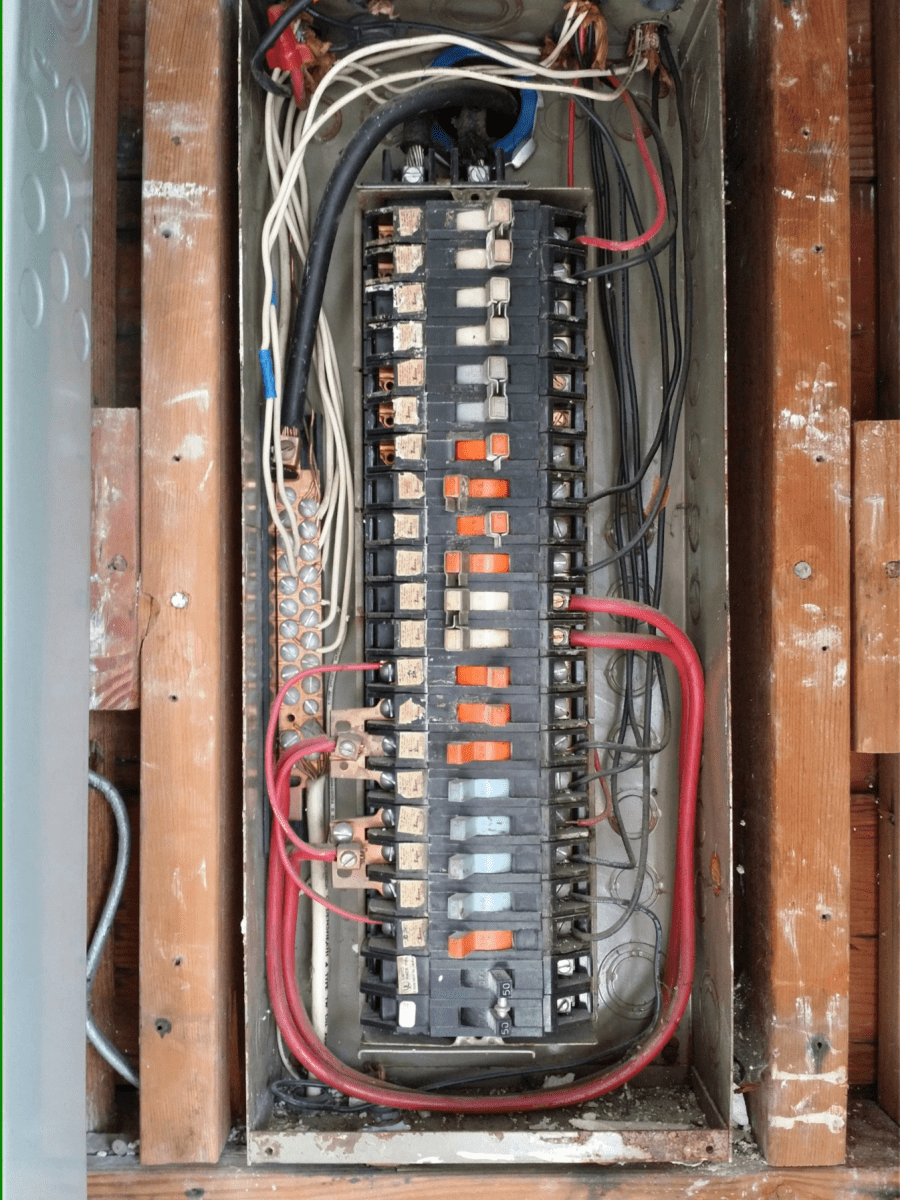
The breaker handles themselves often have a distinctive appearance compared to modern breakers, making them fairly recognizable once you've seen a few.
If you're unsure, a photo can usually identify one in seconds.
So Should You Replace It?
In our opinion, yes.
Unlike many older panels that can continue operating safely with proper maintenance, Zinsco panels have known design and reliability concerns that make replacement the safest long-term solution.
This isn't usually about adding more space.
It's about replacing equipment with a documented history of overheating, corrosion, and breaker failures.
The Bottom Line
Most electrical panels are replaced because homeowners want more capacity.
Zinsco panels are often replaced because homeowners want more confidence.
When the device responsible for protecting your home has a reputation for failing to trip when needed, replacement becomes less of an upgrade and more of a safety decision.
